
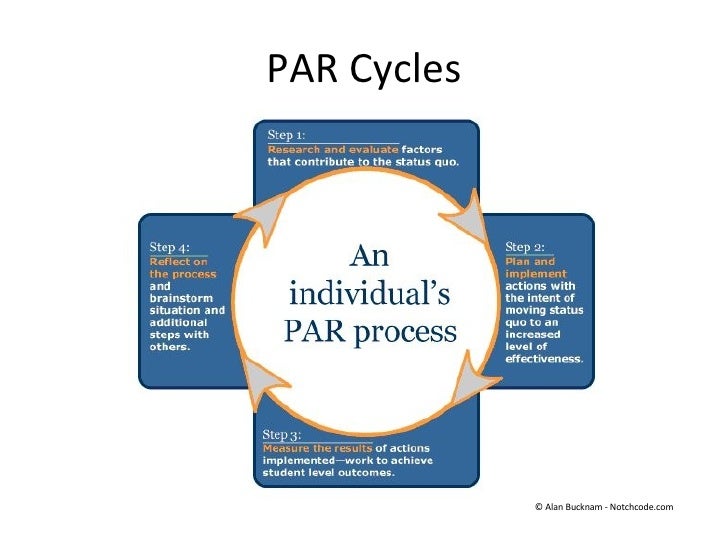
Guest speaker Alexis Harrison gave a lecture on the work conducted for the PAR (participatory action research) 1 and 2 projects. The speaker provided evidence on the data collected and various methods of research used to collect the data. One interesting point mentioned in the presentation was that the CCB (community care Brooklyn) has the intentions to reduce hospitalizations by about 25% by 2020. In order to contribute with the 5-year goal, the PAR project contributed to community engagement in order to promote change. With the help of the local high school students as well as staff, surveys and interviews were conducted. One challenge mentioned by the speaker was in maintaining the volunteers motivated and engaged. The surveys conducted were 100 questions and took about 15 minutes to complete. The most common place to collect surveys were in community and food events it was most difficult in shopping malls and outside of supermarkets.
The challenges mentioned were to aid future participatory action research projects that the partners for change fellows are working on. Alexis Harrison provided feedback on how to properly mold a research project and provide accurate data that supports or answers the main topic. The speaker mentioned that in order to promote change an intuition is targeted. The data collected such as surveys and interviews as well as, evidence from previous studies are then used to pitch to an institution in order to address a problem and promote change. The first step in conducting a PAR would be addressing a problem to focus on. The main topic or big question would then be answered by sub-questions which would be backed up by collected data. Some research limitations might be the IRB (institutional revenue board), certain expectations had to be met as mentioned by Alexis Harrison. Agreements do not provide misleading information and survey anybody below 18 years of age were just a few mentioned.
 Health Care Is Not A Privileged Its A Right!
Leave a comment